
Shedding Light on the Future: Innovations in Lighting Technology
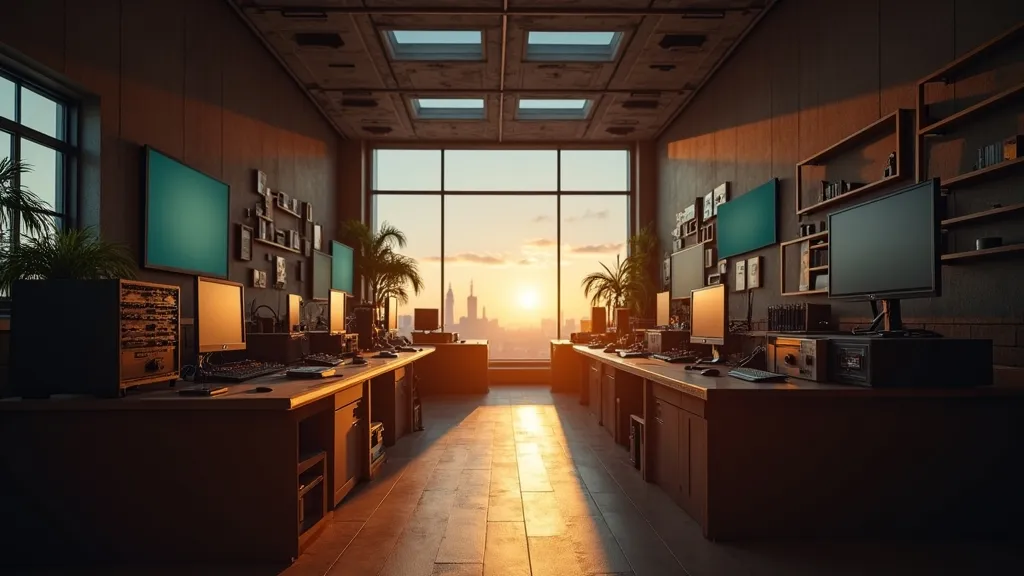
Lighting is more than a mere necessity; it plays a crucial role in our daily lives, influencing mood, productivity, and safety. As technology advances, so too do the methods and materials we use to illuminate our spaces. From eco-friendly solutions to smart lighting systems, innovations in lighting technology are paving the way for a brighter, more efficient future.
The Evolution of Lighting Technology
The journey of lighting technology has come a long way from the days of candles and gas lamps. With the advent of electric light, we saw the introduction of incandescent bulbs, which dominated the market for over a century. However, these bulbs are being phased out in favor of more energy-efficient alternatives, such as compact fluorescent lamps (CFLs) and light-emitting diodes (LEDs).
Incandescent to LED: A Major Shift
Incandescent bulbs were a staple in households due to their warm glow and availability. However, their energy inefficiency led to a significant environmental impact. In contrast, LEDs have a lifespan of up to 25,000 hours and consume up to 80% less energy than their incandescent counterparts. According to the U.S. Department of Energy, the widespread adoption of LED lighting can significantly reduce energy consumption in commercial and residential buildings.
The Role of Smart Technology
Smart lighting systems are revolutionizing how we interact with our living spaces. These systems allow homeowners to control their lights remotely through smartphones or voice assistants, offering convenience and energy savings. Smart bulbs can adjust brightness, color temperature, and even sync with other smart home devices, creating an integrated living environment.
The rise of smart lighting technology has led to increased interest in home automation, and many companies are investing in research and development to create more intuitive systems. According to a report by Statista, the smart lighting market is expected to exceed $70 billion by 2027, a clear indication of its growing importance.
Energy Efficiency and Sustainability
Sustainability is a critical consideration in today’s lighting technology advancements. The shift toward energy-efficient lighting is not just about reducing costs but also about minimizing environmental impact.
LED Lighting and the Environment
LED lighting is inherently more sustainable than traditional bulbs. The manufacturing process involves fewer hazardous materials, and LEDs are recyclable. Additionally, their long lifespan means fewer bulbs end up in landfills, reducing waste. The International Energy Agency estimates that if all global lighting were to switch to LED technology, the world could save approximately 1,400 terawatt-hours of electricity annually, equivalent to the annual output of more than 300 power plants.
Solar-Powered Lighting Solutions
Solar-powered lighting is another emerging trend that enhances sustainability. These systems harness sunlight during the day to power lights at night, making them an excellent option for outdoor spaces. They require minimal maintenance and can significantly reduce electricity costs. Communities and cities are increasingly adopting solar streetlights, which not only provide illumination but also contribute to reduced carbon footprints.
Innovations in Design and Functionality
As lighting technology evolves, so do the designs and functionalities of lighting products. Modern lighting solutions are not just about brightness; they are about aesthetics and adaptability.
Architectural Lighting
Architectural lighting has gained traction in recent years, as designers leverage lighting to enhance the aesthetics of buildings. Techniques like wall washing and accent lighting highlight architectural features while creating a specific ambiance. The integration of smart lighting in architectural design allows for dynamic lighting that can change with the time of day or event type, providing versatility.
Human-Centric Lighting
Human-centric lighting focuses on the biological impacts of light on human health. This concept acknowledges that different types of light can influence our circadian rhythms, mood, and overall well-being. For instance, bluish light is known to enhance alertness, making it suitable for workspaces, while warmer tones can promote relaxation in residential environments. Research conducted by Harvard Health emphasizes the importance of aligning light exposure with our natural biological clocks to improve health outcomes.
The Future of Lighting Technology
As we look ahead, several trends are set to define the future of lighting technology.
Integration with IoT
The Internet of Things (IoT) will play a significant role in the evolution of lighting. By connecting lighting systems to the internet, lights can communicate with other smart devices, leading to enhanced automation and energy management. For instance, lights can adjust based on occupancy, natural light availability, or even time of day, optimizing energy usage and comfort.
Human-Centric and Adaptive Lighting Systems
The future will likely see a deeper integration of human-centric lighting systems that adapt to users’ needs. These systems will take into account individual preferences, health considerations, and environmental factors to provide a personalized lighting experience. As research in this area expands, we can expect to see more lighting options that enhance productivity and well-being.
Advanced Materials and Technologies
Nanotechnology and new materials, such as organic light-emitting diodes (OLEDs), are on the horizon as well. OLEDs provide unique, flexible lighting options that can be integrated into various surfaces, transforming how we think about light sources. These advanced materials promise to make lighting even more efficient and versatile.
Conclusion
The future of lighting technology is bright, driven by innovations that prioritize energy efficiency, sustainability, and smart functionality. As we move towards more advanced lighting solutions, it’s essential to embrace these changes not only for our comfort and convenience but also for the health of our planet. From eco-friendly LEDs to smart systems that adapt to our lifestyles, the lighting of tomorrow will illuminate our spaces in ways we can only begin to imagine.
As the industry continues to evolve, keeping informed about these advancements can help us make better choices for our homes and businesses, leading to a more sustainable future.